The answer changed how we design everything.
"What does it actually take for a child in institutional care to build a life of dignity?" That question drove two people to build something different. This is who they are.
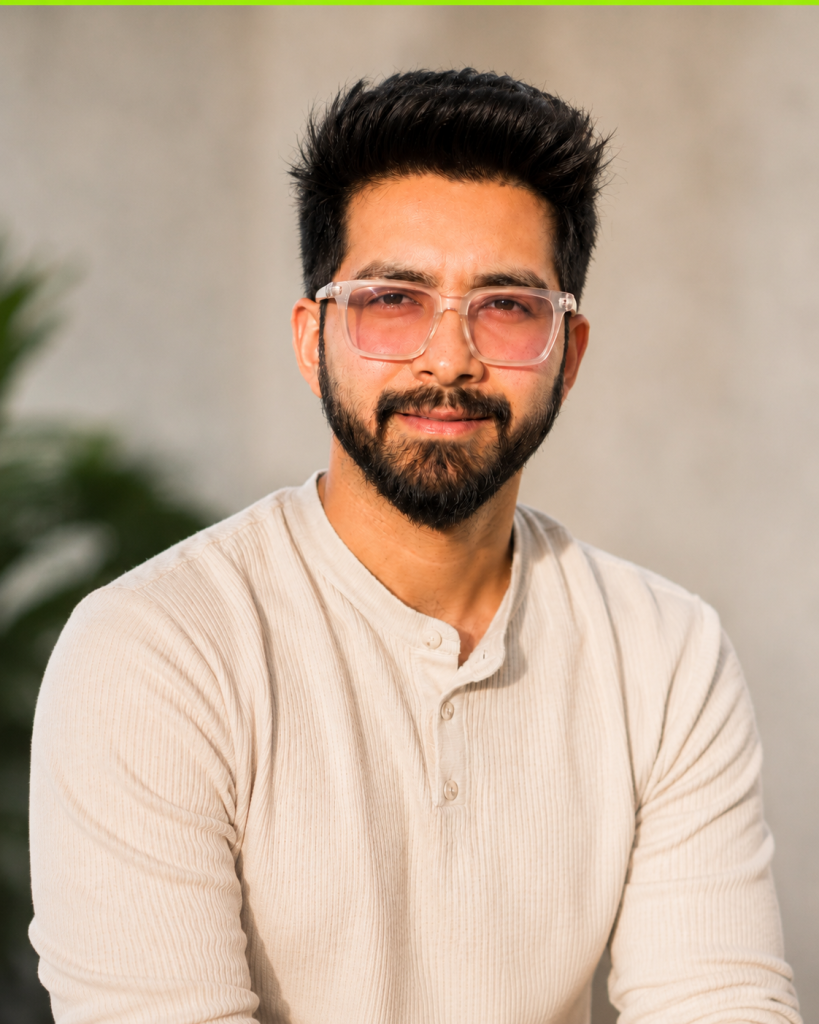
Pawan grew up in Kumaon and attended Sainik School, an experience that gave him a very specific understanding of what structure, discipline, and consistent support can do to a young person's sense of self. He came into the social sector not with answers but with a question that would not leave him alone: what does it actually take for a child in institutional care to build a life of dignity?
Four years in the development sector before co-founding Badlaav in 2019. Those years taught him what most well-intentioned interventions miss: the dependency they create, the fragility they build in, and the way they permanently position children as receivers instead of agents of their own futures.
At Badlaav, Pawan oversees strategy, operations, branding, communications, fundraising, and partnerships. He is also the person who sits in a Skill Club session and notices when a child who was silent last month is now the one who answers first.
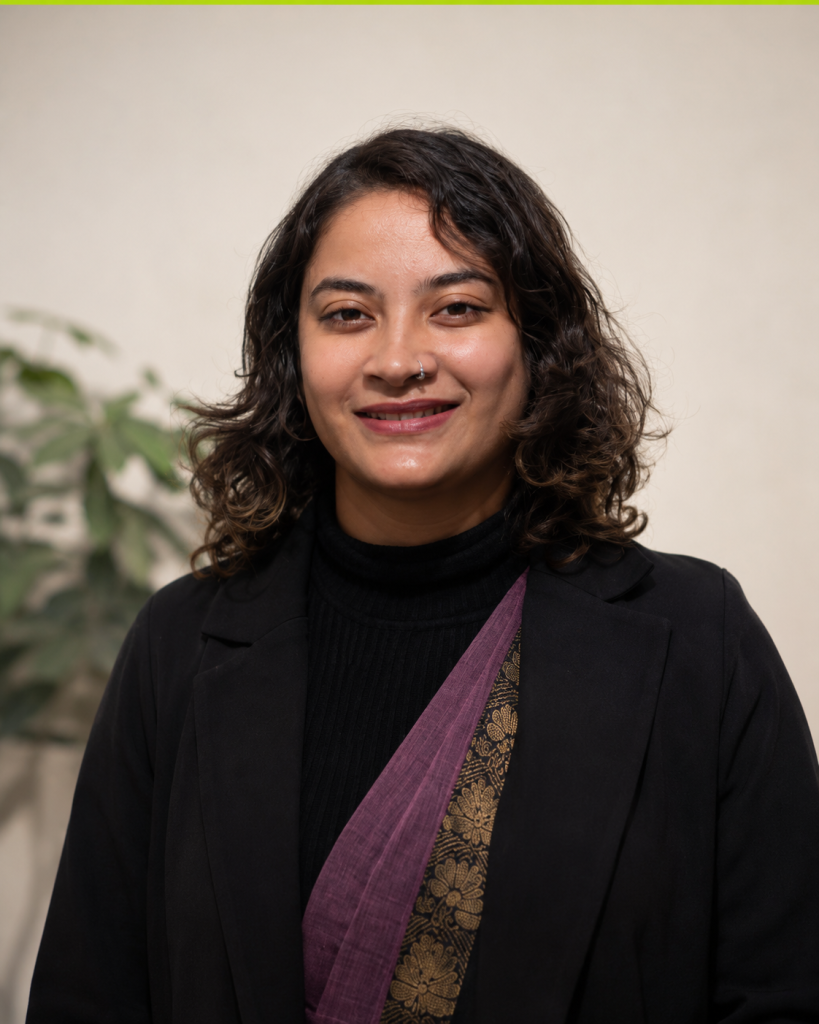
Sakshi was born and raised in Uttarakhand, which means she understood the terrain, geographic and social, that Badlaav was entering before the foundation was even registered. Her M.A. in Education from TISS gave her the theoretical foundation. Her decade in the development sector gave her the practical knowledge that theory alone never delivers.
She has seen the inside of multiple educational interventions for children from marginalised communities. She has watched what holds and what does not. Her core insight, which runs through every programme she designs, is that children do not need adults to do things for them. They need adults to build the conditions for them to do things themselves.
Sakshi leads all programme design and educational strategy at Badlaav. She wrote the Skill Club curricula. She designed the CHAMP model. She built the Bal Sabha governance architecture. The system Badlaav runs today is, in large part, a product of how she thinks about children and learning.
Badlaav began in 2019 in Dehradun. Not with a grant, not with a board of advisors, not with a formal plan. With a question that two people kept coming back to: why do so many children in Child Care Institutions leave the system with nothing, no skills, no confidence, no network, no sense of themselves as people who can build something?
The CCIs themselves were not the problem. The staff were not the problem. The problem was structural, a design flaw in how almost every NGO working in this space had been thinking about the work. Most interventions were designed to deliver things to children. Nothing was being designed to build things with children.
The result was predictable. Children who aged out of the system knew how to receive. They did not know how to lead, govern, facilitate, or fail and try again. They left institutions that had, with the best intentions, kept them permanently dependent.
Badlaav was founded to break that pattern. Not with a better programme, but with a different architecture, one where the child is the subject, not the object. Where learning happens through doing, not receiving. Where governance is practised in real time with real stakes, not explained in a workshop and forgotten by Tuesday.
It is still a small organisation. Two CCIs. Three programmes. 250+ children. But the system it has built is replicable, evidence-based, and getting stronger every year. That is what the next decade is about.
These are the design problems Pawan and Sakshi identified before building anything. They are the reason the model looks the way it does.
When every intervention is done to a child rather than with them, the child learns one skill perfectly: how to receive. They leave the system unprepared for a world that asks them to lead, decide, and act.
When the quality of an intervention depends on a single external facilitator, the programme is always one resignation away from collapse. Badlaav designed the CHAMP model specifically to eliminate this fragility.
When the metric is how many activities were delivered, organisations optimise for activity. Badlaav tracks progression: the movement from beneficiary to participant to leader to stakeholder. That is the only number that matters.
Badlaav Foundation is a registered trust with all required certifications in place. All donations are 80G eligible. CSR funds can be routed through CSR-1 registration. Annual financial statements are audited by a Chartered Accountant and available on request.
We do not believe transparency is a feature. It is the baseline.
| Trust Act | Registered 04 April 2022 · Dehradun, Uttarakhand |
| PAN | AAETB7121K |
| 12A | AAETB7121K25LK01 |
| 80G | AAETB7121K25LK02Valid 2026–27 to 2030–31 · 50% tax deduction for donors |
| CSR-1 | CSR00047059Schedule VII eligible · Child welfare and education |
| Niti Aayog | UA/2022/0318085 |
| Bank | Yes Bank · Rajpur Road, Dehradun A/C 011588700000756 · IFSC YESB0000115 |
| Annual budget | ₹15–18 Lakh and above, expandable with funding |
Some brought resources. Some brought expertise. Some brought their people. All of them made the work better.
Every programme. Every week. Every year. For every child who deserves it.
Every student in the first Class 10 batch. Not a single one left behind.
Against thousands of privately tutored candidates. A first for any shelter home in Dehradun.
Not because we asked. Because they chose to. That is how you know the system works.
The founders are one part of the story. The system they designed is the other part. Our Model takes you inside the architecture: the Skill Clubs, the Bal Sabha, the CHAMP model, and the four houses.