CARE Programme
2 CCIs · Dehradun
250+ Children
8 Skill Clubs
Since 2022
Creating A Road to Empowerment
What CARE does
CARE runs year-round inside two government Child Care Institutions in Dehradun. Every week, children attend one Skill Club; a structured, facilitated session designed not just to teach a skill, but to build the habits of learning, expression, and self-belief that carry into adult life.
The CARE Programme is built on a core insight: children in CCIs have just as much potential as any child; they are simply missing the consistent, structured exposure that unlocks it. CARE is that exposure. Every week. All year. For every child who lives there.
Each session follows a structured lesson plan. Each facilitator is trained and supervised. And crucially, some of those facilitators are former residents of the same shelter home system, now compensated professionals. That alone changes everything about what the children see as possible for themselves.
01
Eight weekly clubs: Sports, Arts and Craft, Computer, Music, Literary, Yoga, Boxing, and Aptitude. Each backed by a structured lesson plan and a trained facilitator.
02
Targeted academic interventions including Project Shaurya (Sainik School readiness) and the Boards Success Programme (Class 10 board preparation). Daily sessions, dedicated teachers, real results.
03
Events, celebrations, festivals, birthday acknowledgements, and milestones. A shelter home should feel like a home. CARE makes sure it does.
The 8 Skill Clubs
Each club runs weekly with a structured session plan. Facilitators are trained and supervised. Every session is a mix of skill-building and life-readiness.
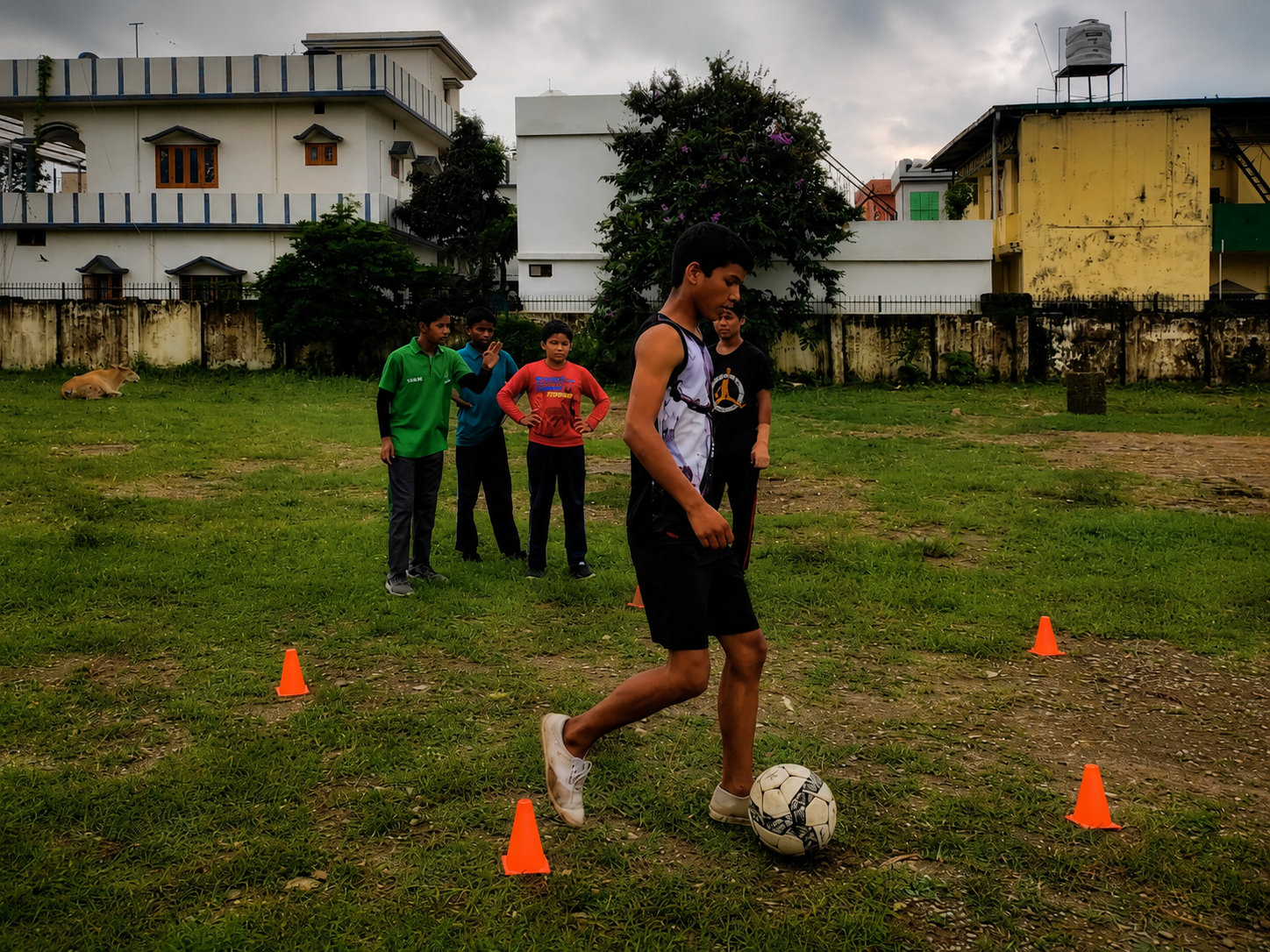
Football, kho-kho, netball, kabaddi. Team sports that build discipline, coordination, and the habit of showing up. Physical confidence helps develop every other kind of confidence.
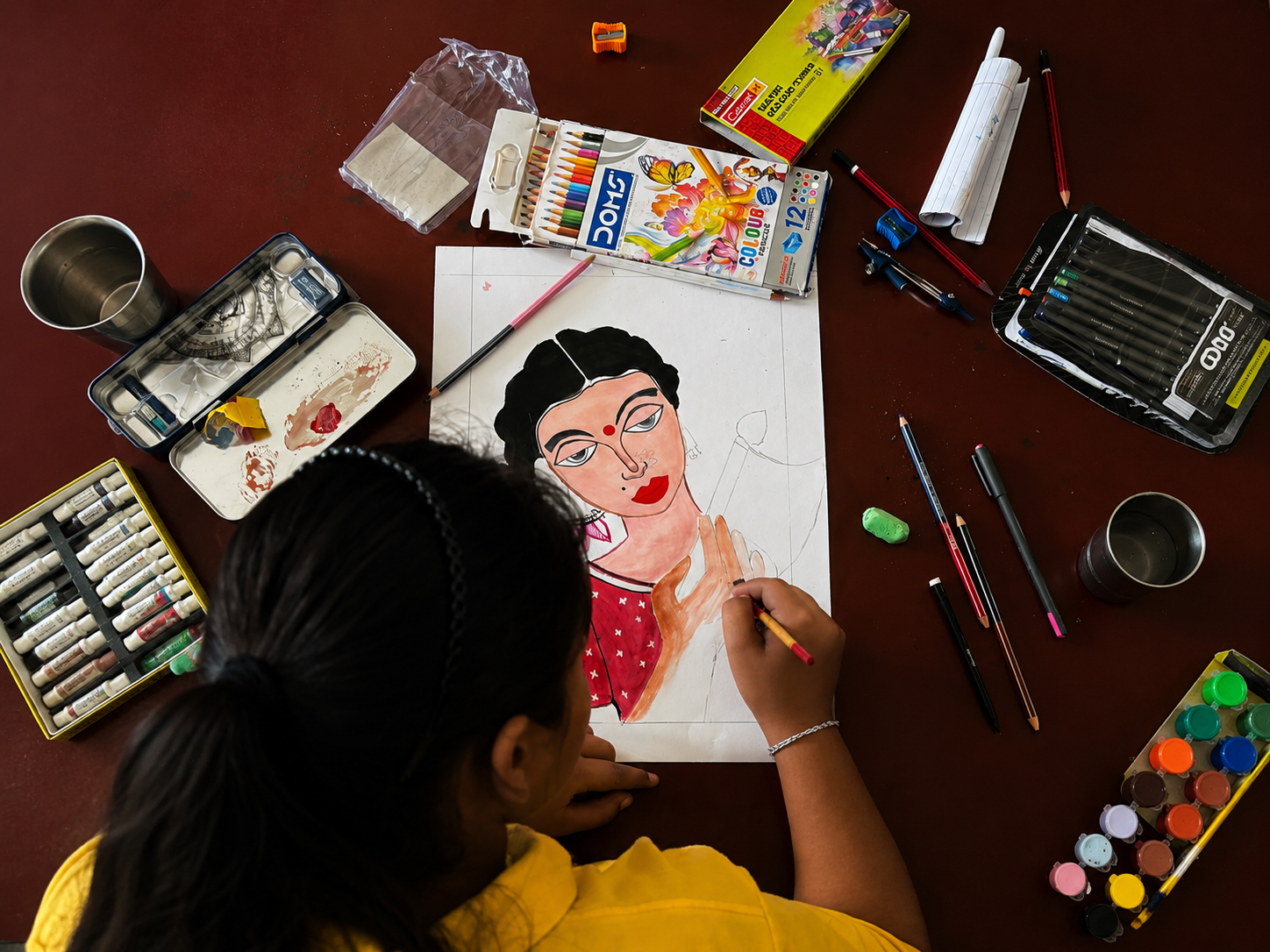
Drawing, crafting, making. A space where the process matters more than the product. A child can experiment, make mistakes, and discover what they are truly capable of creating.
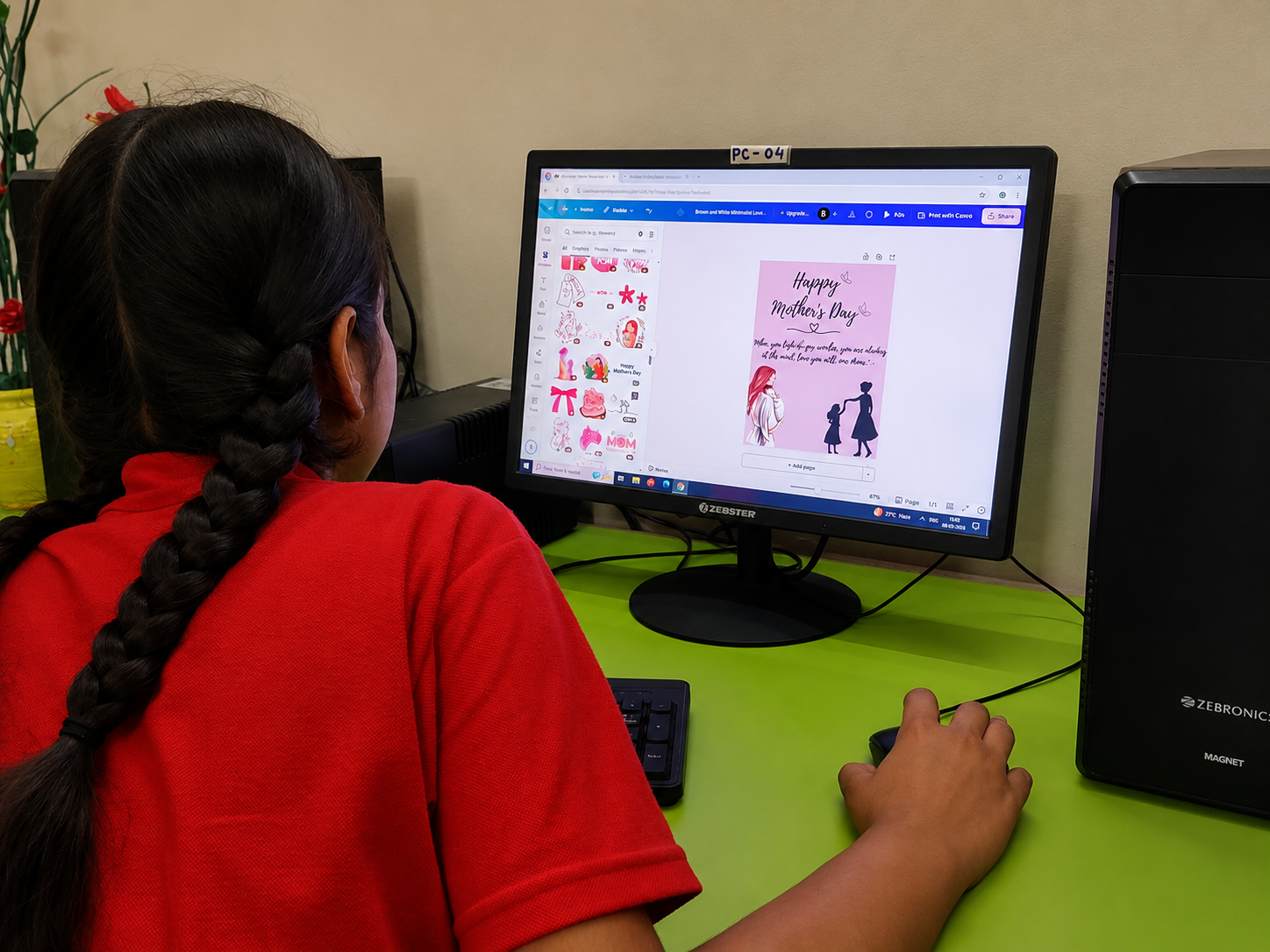
Basic computing, typing, digital literacy, and the practical skills that show up in every modern workplace. The computer is no longer a mystery. It is a doorway to the future.
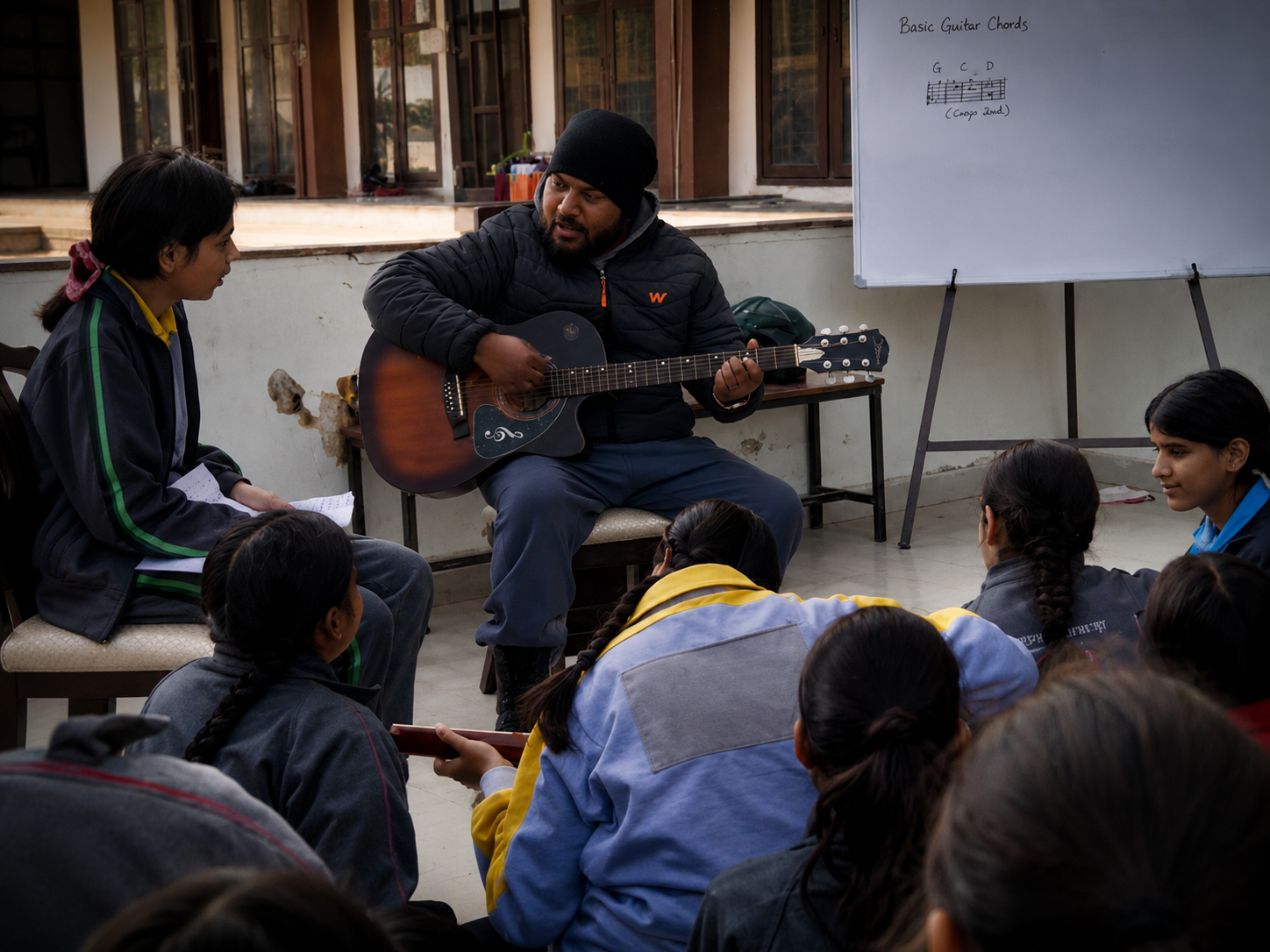
Listening, rhythm, vocal expression, instruments. Music gives children a language for feelings that words often cannot hold. And it builds a confidence in expression!
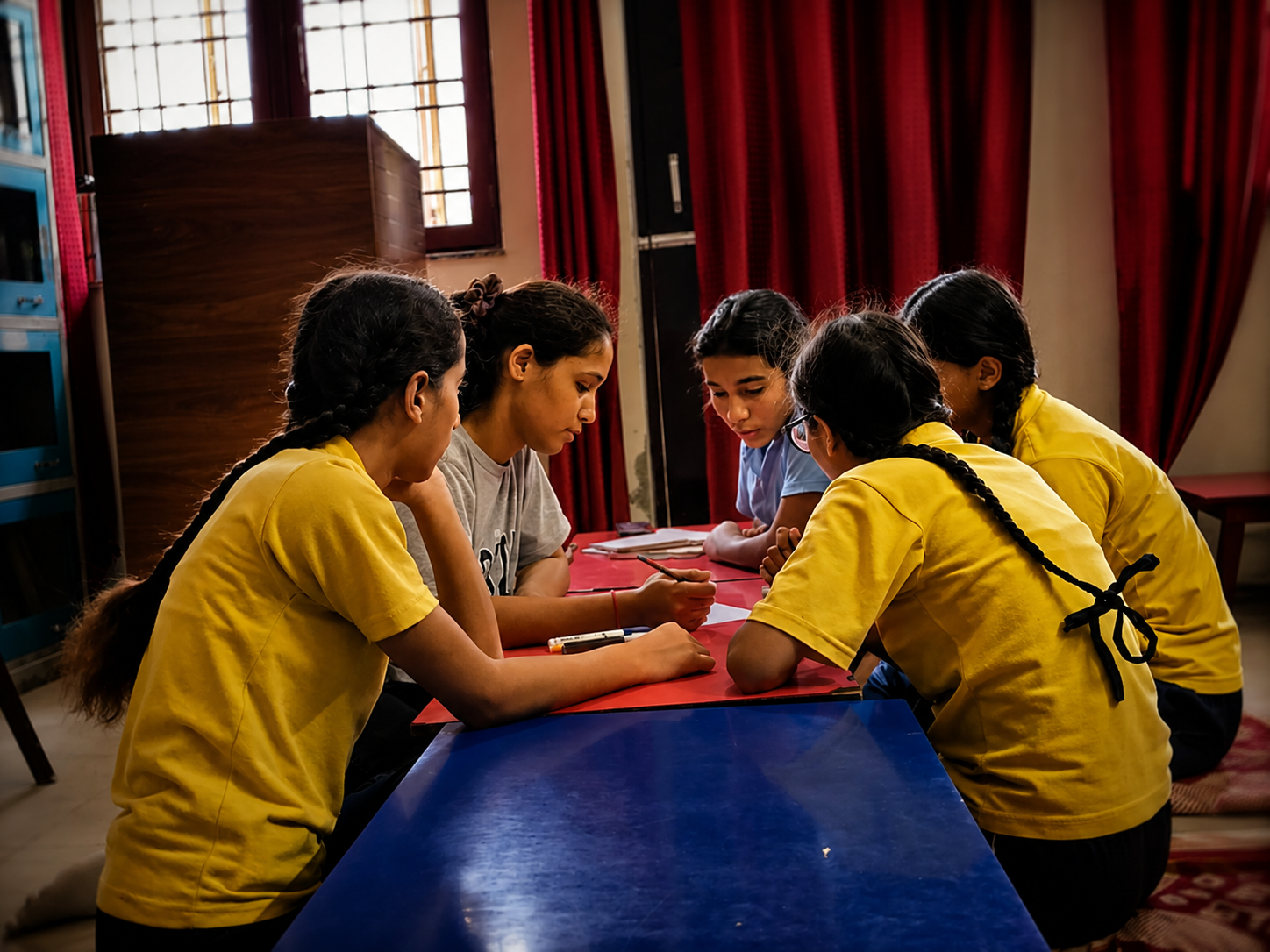
Reading, writing, storytelling, debate, and public speaking. Children learn to think in language and to use it with precision. Words are the one tool that never runs out.
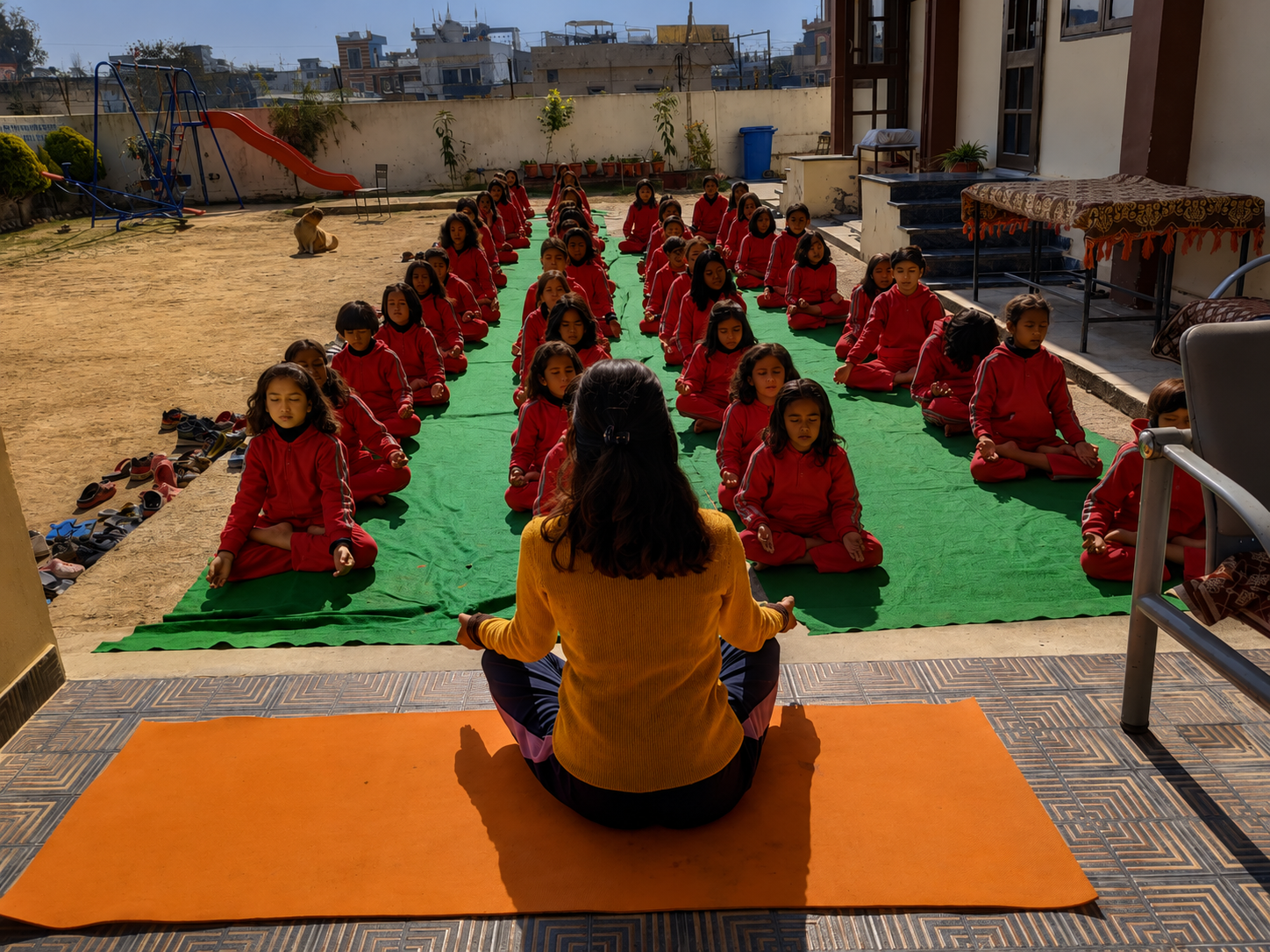
Asanas, breathing, mindfulness, and the ability to be still. Emotional regulation is a skill. Yoga teaches the body and the mind together, and it starts from the very first session.
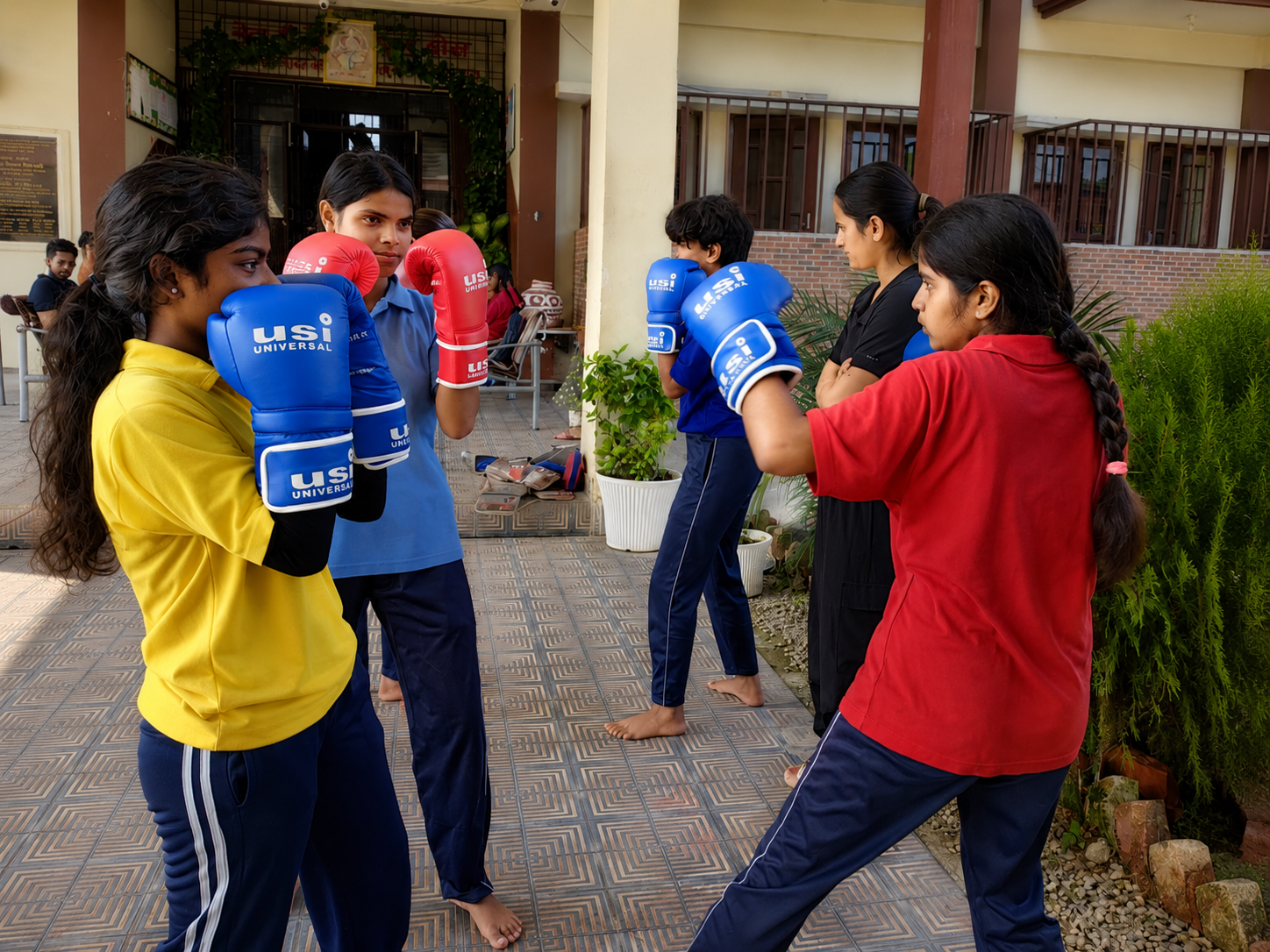
Stance, movement, discipline, and strength, physical and otherwise. Boxing teaches children that they can be formidable. That is not small when you grow up being told you are a burden.
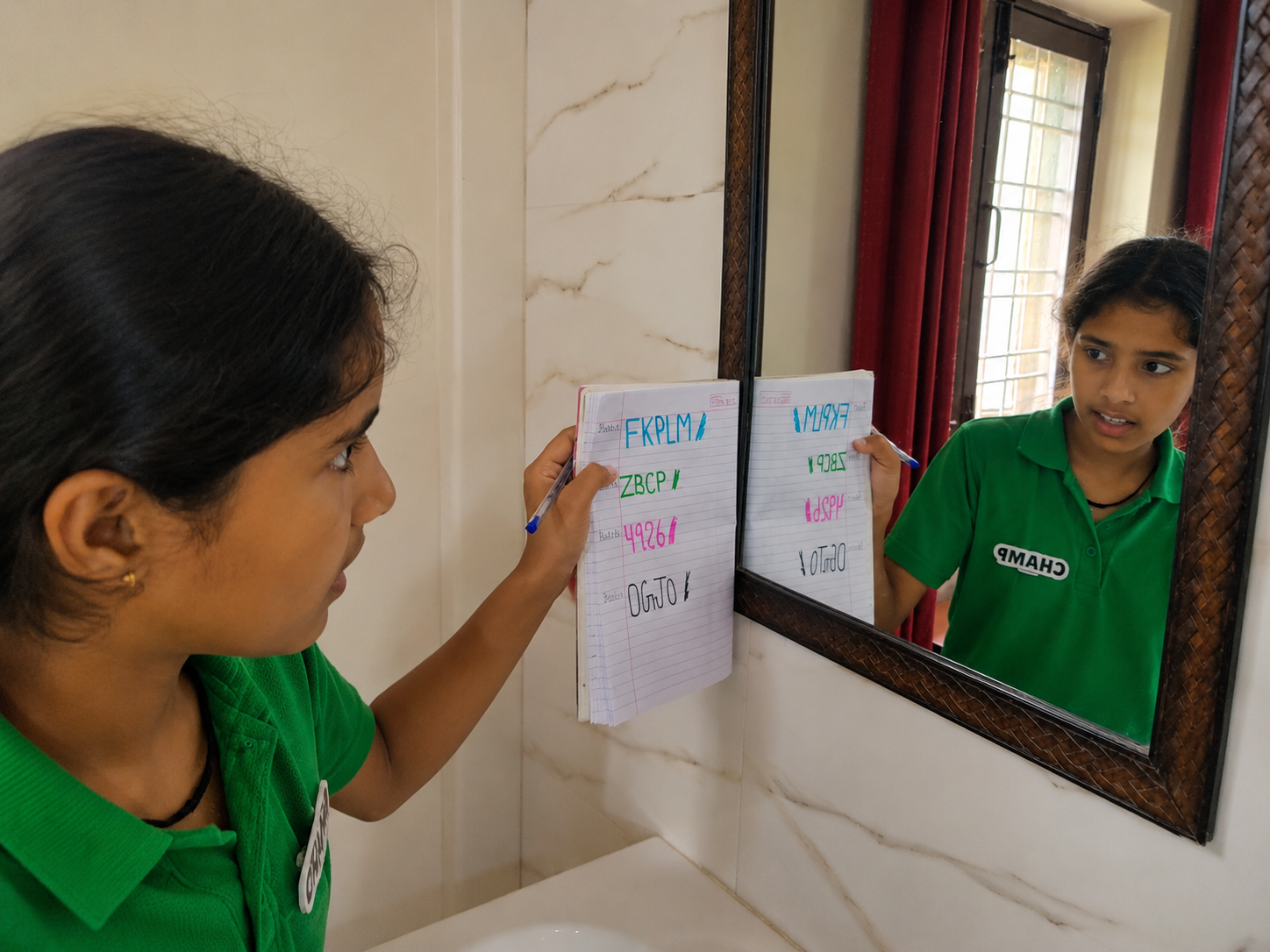
Logical reasoning, problem-solving, and exam technique. Home to Project Shaurya, where 4 of 7 girls cleared the Sainik School written examination against privately tutored candidates.
How CARE works
Most programmes depend on an external facilitator. If that person leaves, the programme collapses. Badlaav designed CARE specifically to avoid this fragility by building programme continuity into the children themselves.
Within each Skill Club, trained student peer facilitators called CHAMPs lead sessions alongside, and sometimes instead of, the external facilitator. Each CHAMP is responsible for a cohort of six children. They know their progress, track their growth, and show up for them as a near-peer who has been exactly where they are.
“The moment a child goes from receiving a session to leading one, something fundamental shifts. They stop seeing themselves as someone things happen to. They become someone who makes things happen.”
This model creates two categories of impact at once: the six children being facilitated grow in their skill area. The one CHAMP doing the facilitating grows in leadership, responsibility, and self-efficacy. One session. Both outcomes. Every week.
The CHAMP ratio
One peer facilitator. Six children in their cohort. Sessions run weekly. CHAMPs track attendance, skill progression, and emotional wellbeing for their group.
Girls who cleared
the Sainik School
written examination
2024–25
Special Initiative · Project Shaurya
Project Shaurya is Badlaav’s focused academic intervention for girls who want to compete for admission into India’s Sainik Schools, military-style public schools known for discipline, leadership, and academic rigour.
It runs inside the Aptitude Club as structured readiness preparation: logical reasoning, problem-solving, exam technique, and the particular kind of mental discipline that the All India Sainik School Entrance Examination requires. Children receive dedicated coaching, documentation support, and the emotional backing to believe that this is not too much to reach for.
In 2024–25, seven girls from Baniyawala sat for the AISSEE. Four of them cleared the written examination. For a shelter home, competing against candidates who were privately tutored, resourced, and supported by families, that result is not a number. It is a statement about what these children are capable of when they are given a structured path to prepare.
Class 10 board
exam pass rate
first-ever batch
2024–25
Special Initiative · Boards Success Programme
The Class 10 board examination is not just an academic milestone for children in institutional care. It is a structural one. Passing opens doors to further education, to vocational paths, to a future with options. Not passing closes many of them.
For the first time in 2024–25, girls from Baniyawala sat for the CBSE board exam. The Badlaav Foundation allocated a dedicated teacher for daily academic sessions, built structured study routines around the pressure of board preparation, and provided targeted support through every setback.
The shelter home staff carried the emotional load alongside, standing by the girls day and night through a high-stakes year. When the results came, every single girl had passed.
100%. Not because the papers were easy. Because the preparation was serious and the support was real. That is what Boards Success is: a daily commitment to making sure no child faces the board exam alone.
The people who run CARE
Three of CARE’s Skill Club facilitators are former residents of the shelter home system, now qualified, compensated professionals who chose to come back. Not because Badlaav asked them to. Because they chose to. That choice is the most powerful signal of what the programme produces.
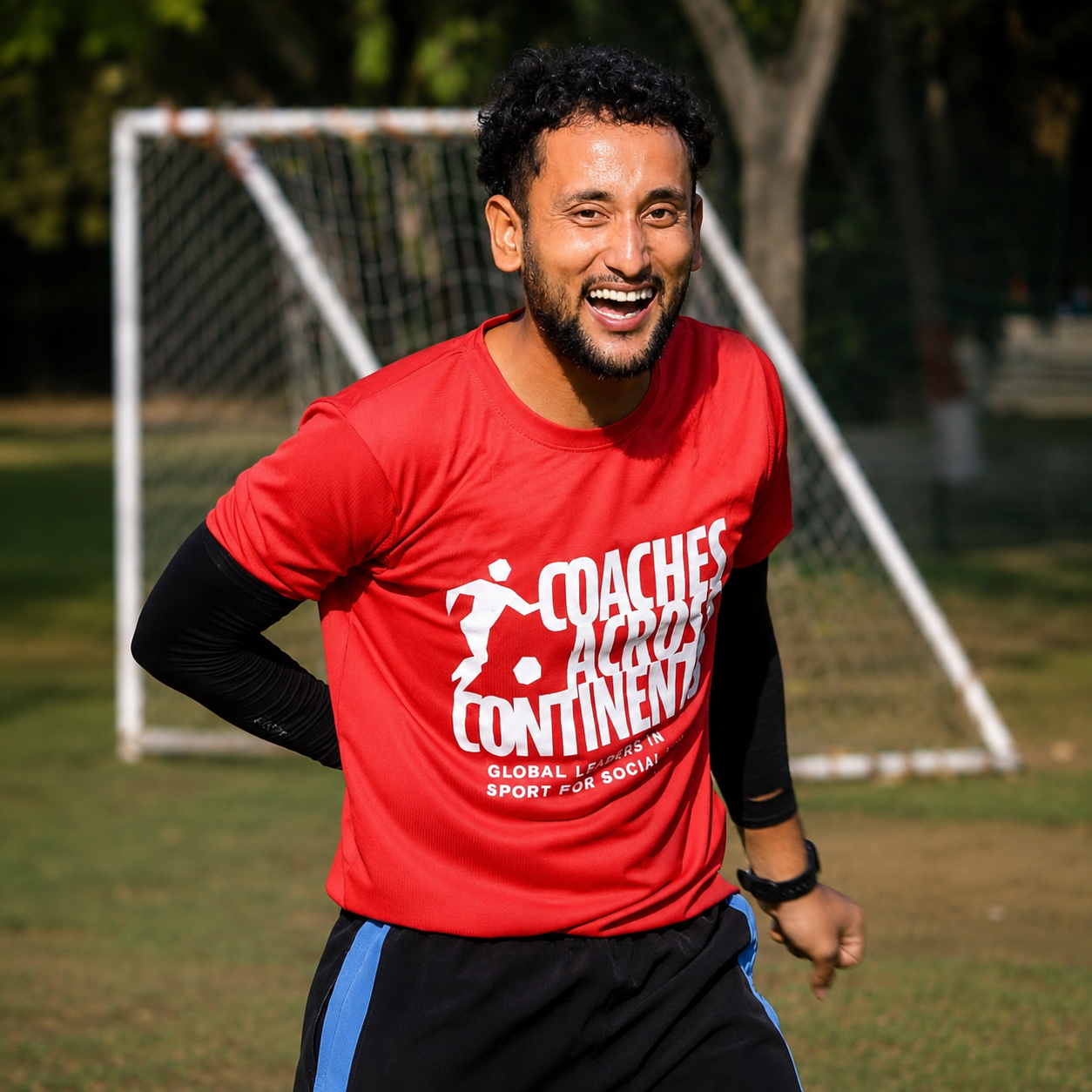
Sports Club Facilitator
B.P.Ed. · Physical Education
Arjun had a passion for sport but no clear path to make it a profession. Badlaav gave him the structure. He went on to complete his Bachelor of Physical Education and then came back to coach the same children he once was. He instils discipline, teamwork, and a professional understanding of what a career in sport looks like.
“When he coaches, we see the blueprint for turning a passion into a life.”
— Current CCI Resident
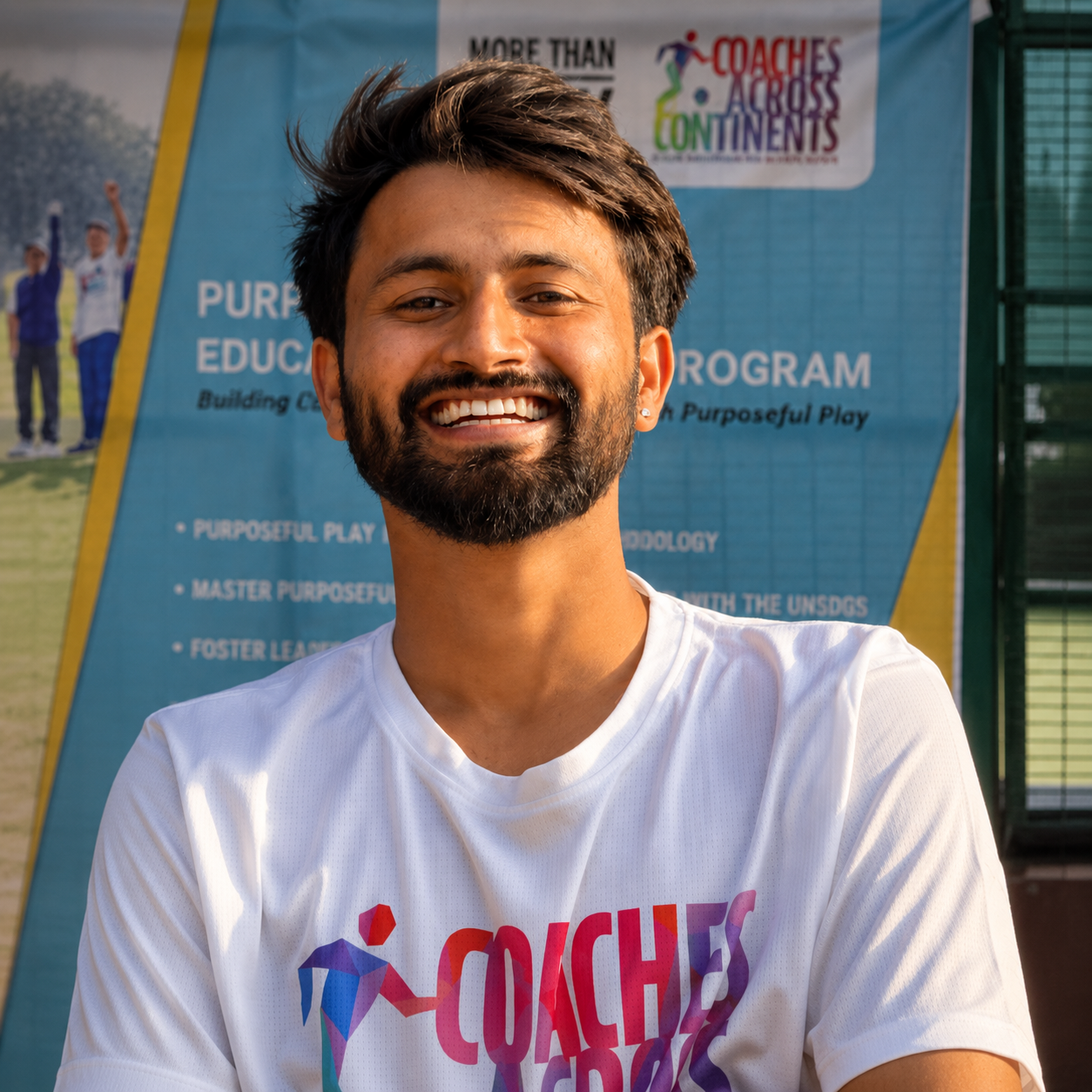
Computer Club Facilitator
B.Tech Computer Science · IT Executive
Vishnu’s potential was always there, but without tech exposure, it had nowhere to go. The Computer Club changed that. He completed a B.Tech in Computer Science and now works as an IT Executive while running sessions at the club. He is not a teacher in the traditional sense. He is proof of what is possible.
“The computer isn’t a mystery; it’s a doorway to our future now.”
— Computer Club Student
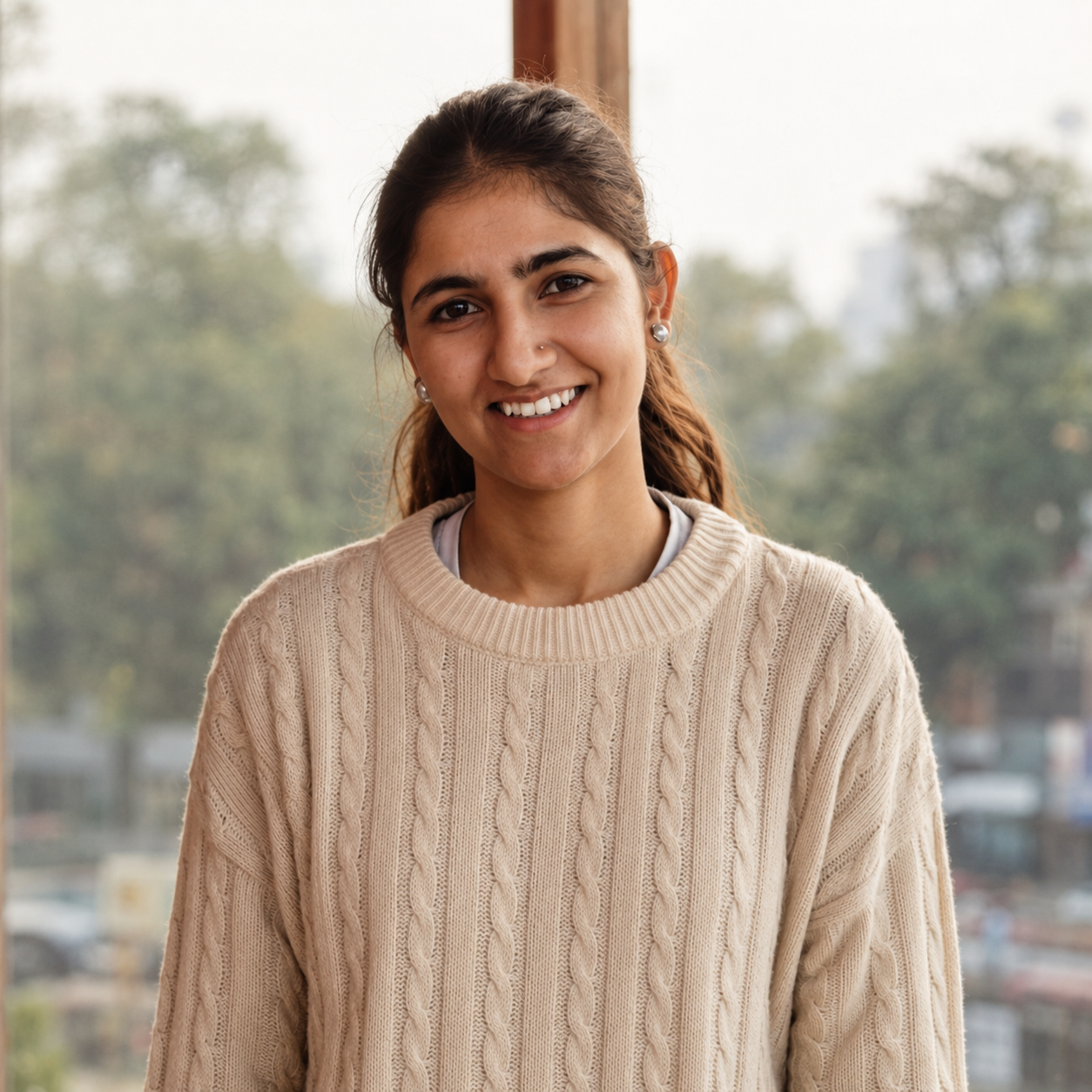
Aptitude Club · Project Shaurya
B.A. · Preparing for Defense Examinations
Sheetal left the shelter home uncertain about her path. The Aptitude Club gave her critical thinking and academic clarity. She is now pursuing her B.A. while preparing for Defense examinations and running the Aptitude and Yoga Club. When she talks about the future, the girls know she understands the weight they carry. She carried it too.
“When Sheetal talks about the future, the girls know she understands their challenges.”
— CCI Caregiver
CARE in numbers
Children across 2 CCIs
Every programme. Every week. All year. For every child who lives there.
Active Skill Clubs
Sports, Arts, Computer, Music, Literary, Yoga, Boxing, Aptitude.
Cleared AISSEE
Against privately tutored candidates nationwide. First for any care home.
Board exam · first batch
Every student in the first-ever Class 10 batch. Not one left behind.
See the full picture